

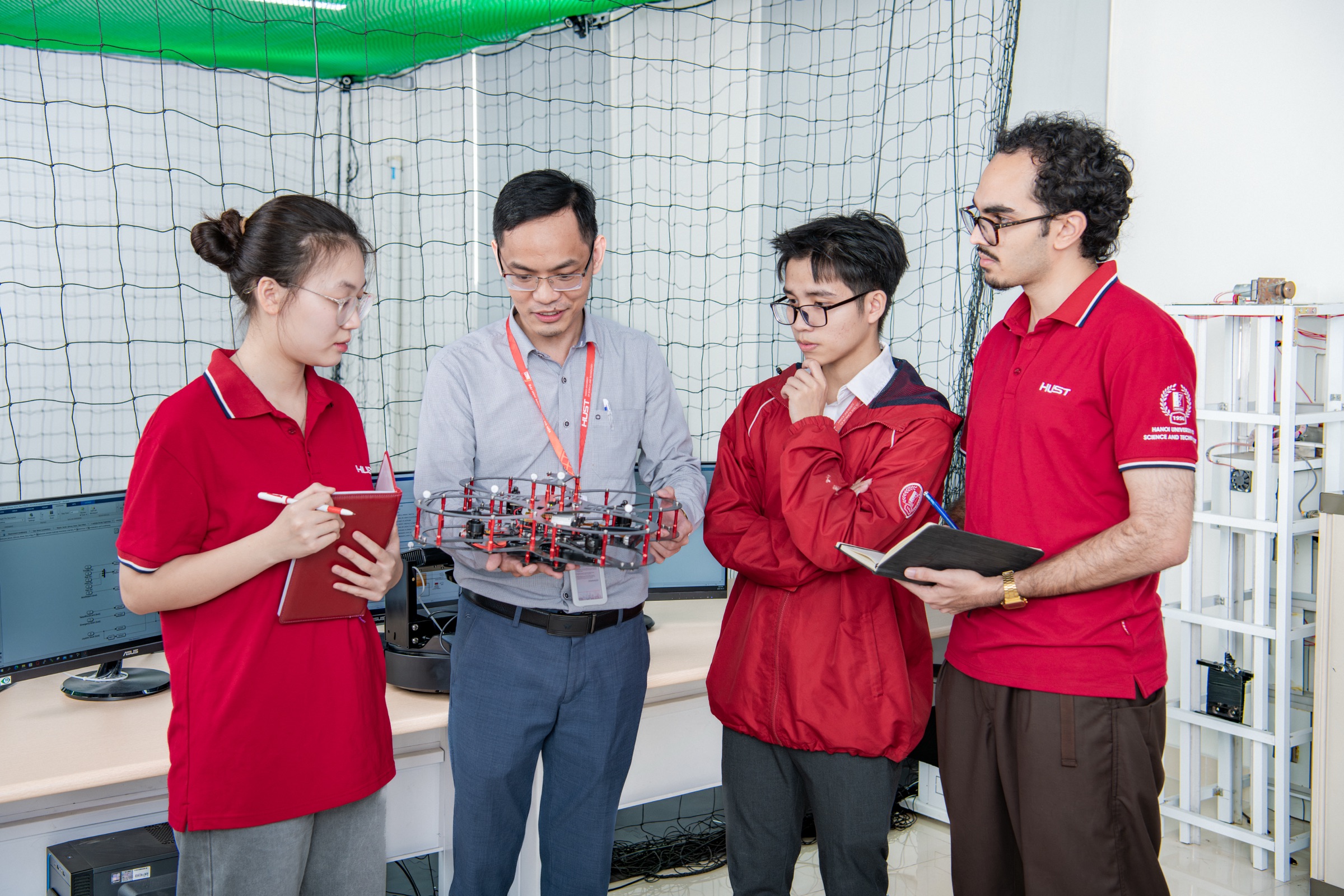

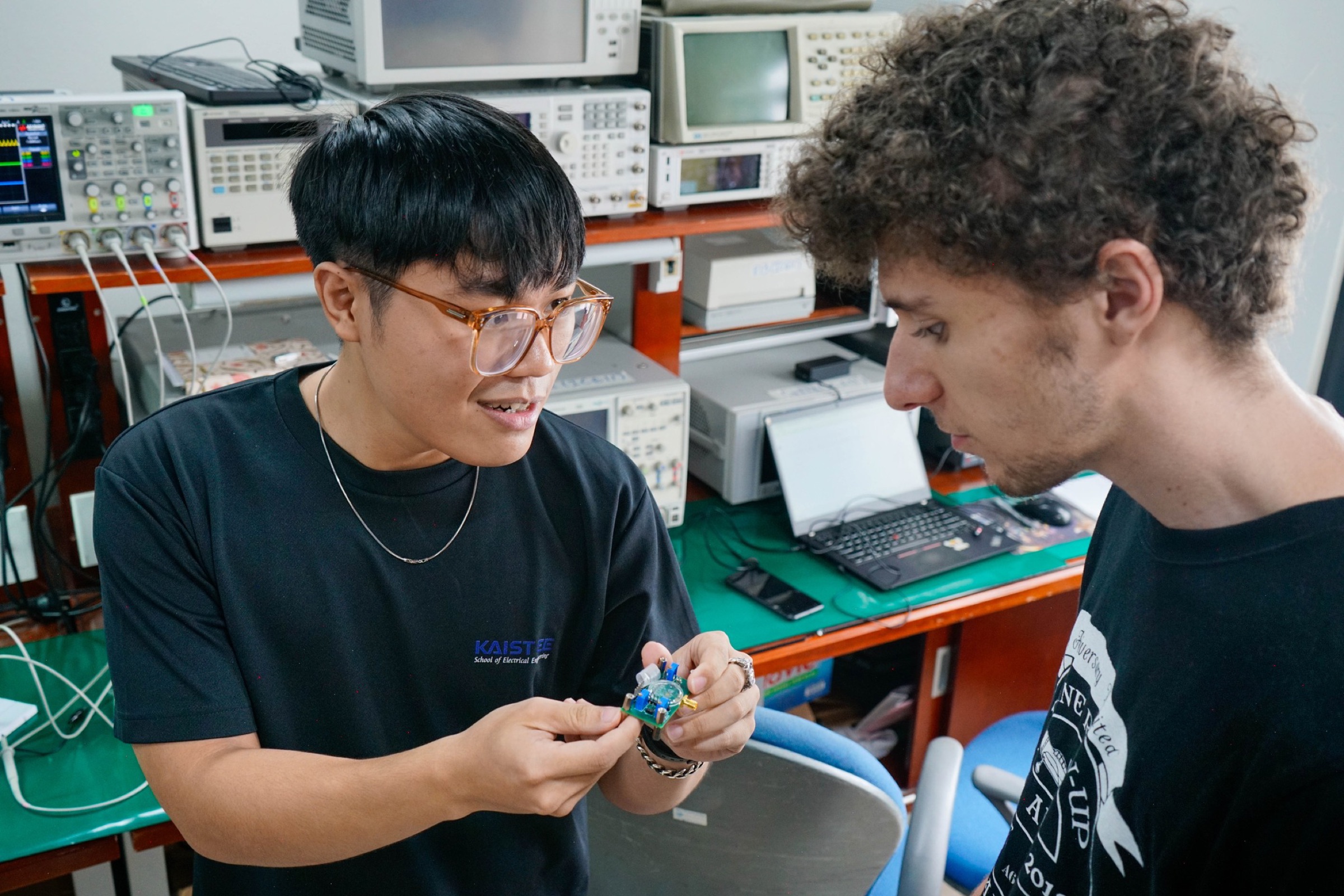

The School of Electrical and Electronic Engineering is admitting 1,960 places across 14 programs in 4 fields — from standard and advanced (English-taught) to talent and international joint programs.
Admission methods
HUST Undergraduate Admissions Regulations 2026 (PDF) · updated per HUST regulations each year
Score calculator & program suggester
Enter your exam or thinking-assessment scores to estimate your admission chances and receive suitable program suggestions.
Timeline & events
- Sunday 21/6/2026 Talent-based admission interviews (XTTN)
- 26/6/2026 XTTN scores announced for categories 1.2 and 1.3; category 1.1 results; foreign-language certificate verification results (rounds 1 and 2)
- 02/7 – 17:00 14/7/2026 Candidates register and adjust admission preferences on the MOET system
- 04/7/2026 SEEE laboratory tour & guidance on setting preferences
- 15/7 – 17:00 21/7/2026 Candidates pay the admission fee online
- 04/8 – 17:00 10/8/2026 MOET processes preferences on the system
- Before 17:00, 13/8/2026 Round 1 admission results announced
- Before 17:00, 21/8/2026 Candidates confirm enrolment online (round 1)
Specific dates will be updated according to the University’s official announcements.
Admission programs
Click a program to see highlights, benchmark scores and career reviews.






FAQ
What admission methods does SEEE use?
SEEE follows HUST’s three methods: talent-based admission (XTTN), the Thinking Assessment Test (ĐGTD), and the high-school graduation exam.
What fields does SEEE offer?
Four fields: Electrical Engineering, Control Engineering & Automation, Electronics & Telecommunications, and Biomedical Engineering, with programs ranging from standard and advanced (English-taught) to talent and international joint programs.
How do advanced programs differ from standard programs?
Advanced programs are taught in English, aim for international accreditation (AUN-QA, ASIIN, CTI) and strengthen international integration; standard programs are taught in Vietnamese.
What about tuition and scholarships?
Tuition follows HUST regulations each year and differs between standard and advanced programs. Students have many merit-based and corporate scholarship opportunities. Contact the Admissions Office for specific figures.
Chương trình tiên tiến EE-E8 học bằng tiếng gì
Học bằng tiếng Anh
Điều kiện đầu vào ngoại ngữ là gì
Tiếng anh trung học phổ thông lớn hơn 6 Chứng chỉ ngoại ngữ IELTS lớn hơn hoặc tương đương